Milk & Honey Crochets
An e-commerce website that helps users easily browse and shop handmade, faith-driven crochet accessories while clearly communicating the brand’s story and purpose to create meaningful connections with users.
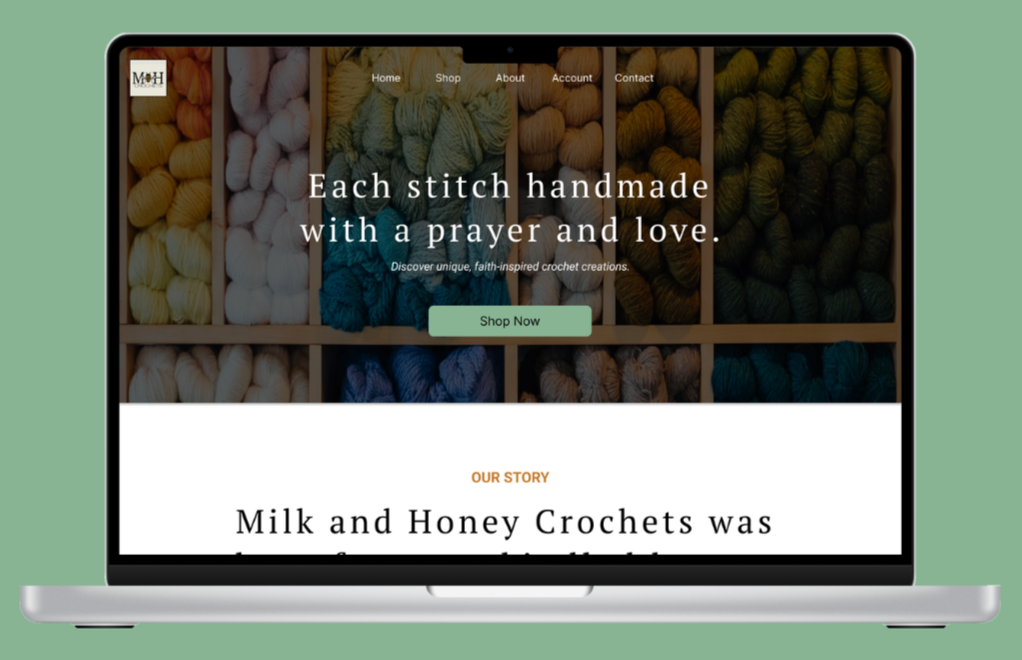
Overview
Milk and Honey is a faith-driven small business that sells handmade crochet accessories inspired by artistry and purpose. While their products are loved by their community, the original website lacked clarity and didn’t effectively communicate the brand’s story or values. This made it difficult for users to understand the brand’s mission or confidently explore and purchase products.
Milk and Honey needed a website refresh that reflected their faith-based identity, strengthened brand storytelling, and created a smoother, more engaging shopping experience for users.
Problem
The existing website struggles with unclear brand communication due to inconsistent visuals, minimal storytelling, and a lack of audience-focused content. This makes it difficult for potential customers to understand the brand’s personality, connect with its products, and feel confident making a purchase.
Role
Sole UX/UI Designer and Researcher, Brand Designer, Logo Designer
Tools
Figma, Figjam, Google Suites, Dribbble, Affinity Designer
Timeline
September - October 2025
Solution
We redesigned the Milk & Honey Crochets website to create a sleek, intuitive experience while clarifying the brand identity. Through the updated design, we aimed to:
Improve Usability: A more intuitive layout makes it easier for users to navigate and explore products.
Highlight Faith & Artistry: The design emphasizes the brand’s faith-based values and handcrafted artistry, helping users feel a deeper connection.
Enhance Engagement: Thoughtful design choices encourage users to explore more products and interact with the brand online.
Discovery
Kickoff:
I first worked with Milk & Honey Crochets in 2024 to design their logo and assist with brand strategy and identity. In 2025, we reconnected over coffee to discuss revamping the website they had created, aiming to better reflect their community and showcase the faith-based artistry behind their products.
The owner reviewed their existing website and values. While there was no pre-existing design system, the client wanted to maintain the colors from their logo and better convey its sense of warmth, craftsmanship, and faith.
The main user stories we decided to focus on were:
As a customer, I want to easily browse products so I can find items that match my style and values.
As a customer, I want to understand the faith-based and artistic story behind the brand so I feel connected to it.
As a first-time visitor, I want to quickly grasp what Milk & Honey Crochets offers and its mission so I can feel confident exploring the site.
As a returning customer, I want a seamless shopping experience so I can efficiently purchase products I love.
As a community member, I want to engage with the brand beyond products, such as reading stories or learning about the artisans, so I feel part of the community.

Secondary Research
Due to the scope of this project, direct primary research with Milk and Honey Crochets’ customers was not possible. While firsthand user interviews or surveys are ideal, this limitation is common in small-business redesign projects. To ensure a rigorous and user-centered process, I pivoted to an evidence-based research approach.
To understand the challenges users face on small artisan e‑commerce sites, I reviewed literature on branding and user experience. Key insights and how they informed the project for Milk & Honey Crochets:
Clear & consistent brand identity matters. A strong brand identity helps businesses stand out, attract ideal customers, and build recognition. (See “What is a brand identity & how do you create yours?” by Microsoft)
Inconsistent messaging undermines trust and purchase confidence. When branding is misaligned across touchpoints, customers may feel a loss of credibility or clarity. (See “The dangers of inconsistent branding” by Bynder)
Cohesive storytelling helps customers connect with a brand. Effective branding and storytelling deepen emotional connection, support loyalty, and encourage users to engage more fully. (See “Brand identity: What it is and how to build one” by Investopedia)
These findings directly informed the focus of the website redesign: clarifying brand identity, better communicating audience relevance, and improving user confidence when exploring and purchasing products.

Competitive Analysis
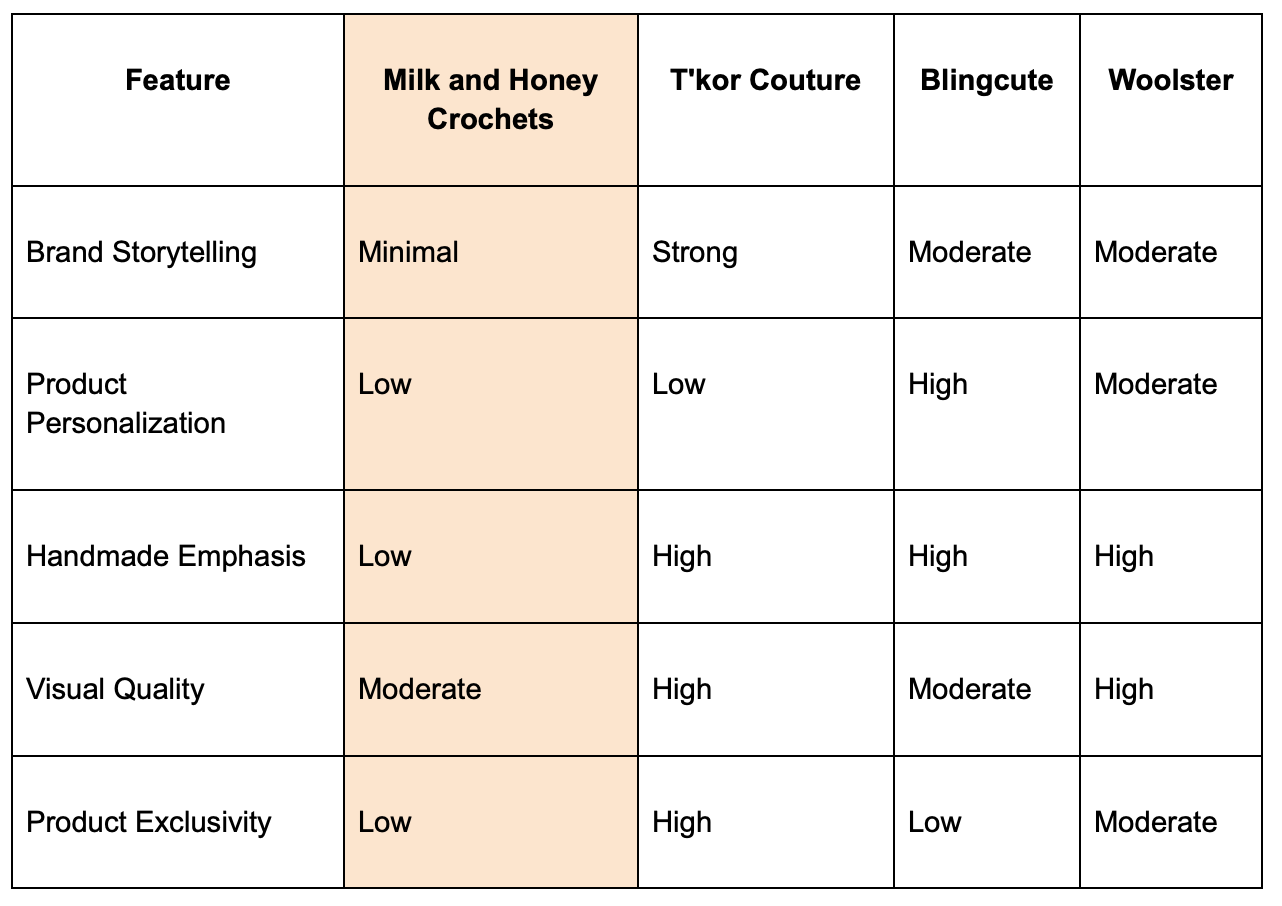
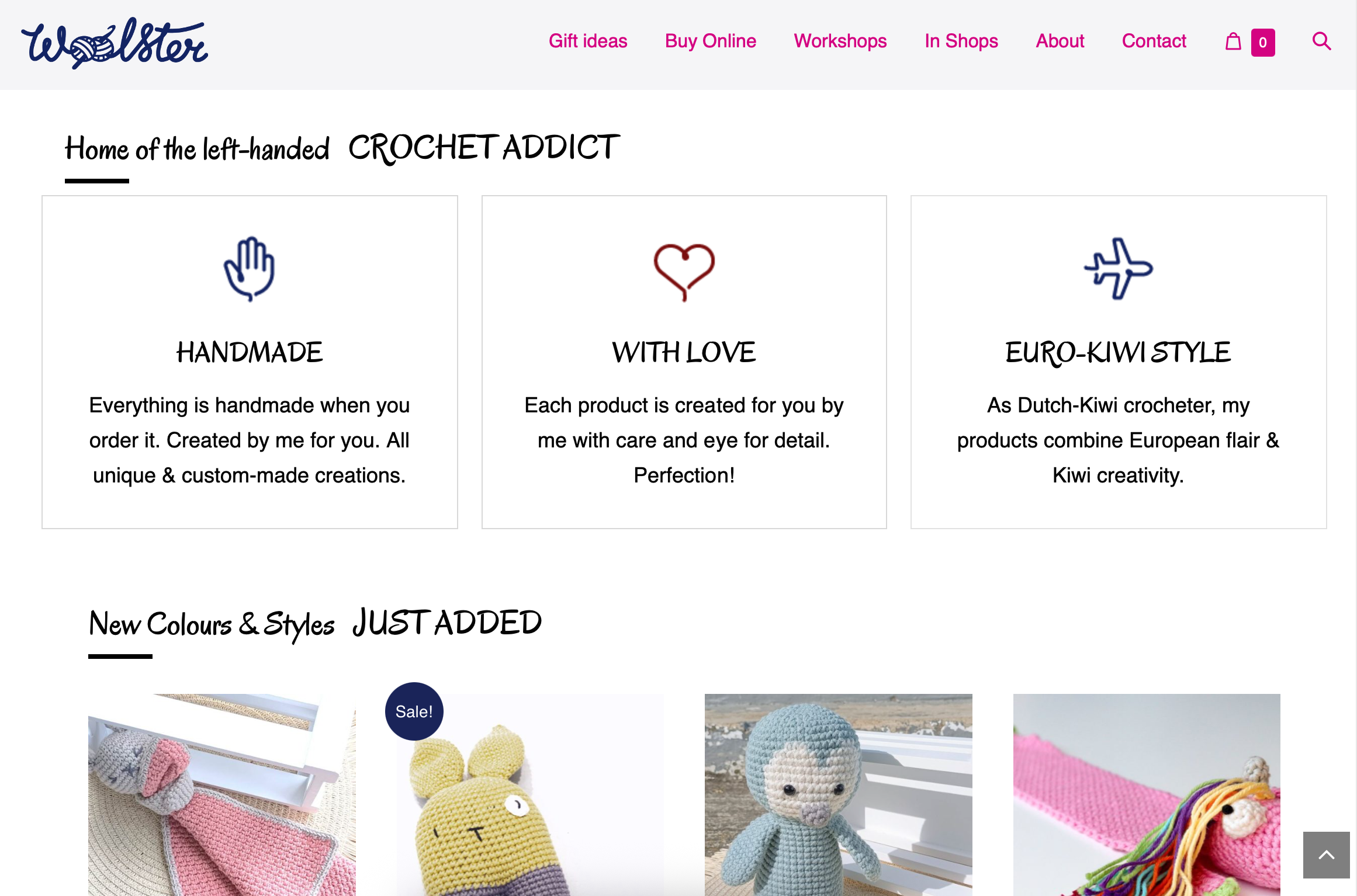
To inform the Milk & Honey Crochets website redesign, I conducted a competitor and analogous analysis of handmade and artisan crochet brands. I focused on visual design, storytelling, product presentation, and customer engagement to identify opportunities for differentiation.
Key findings:
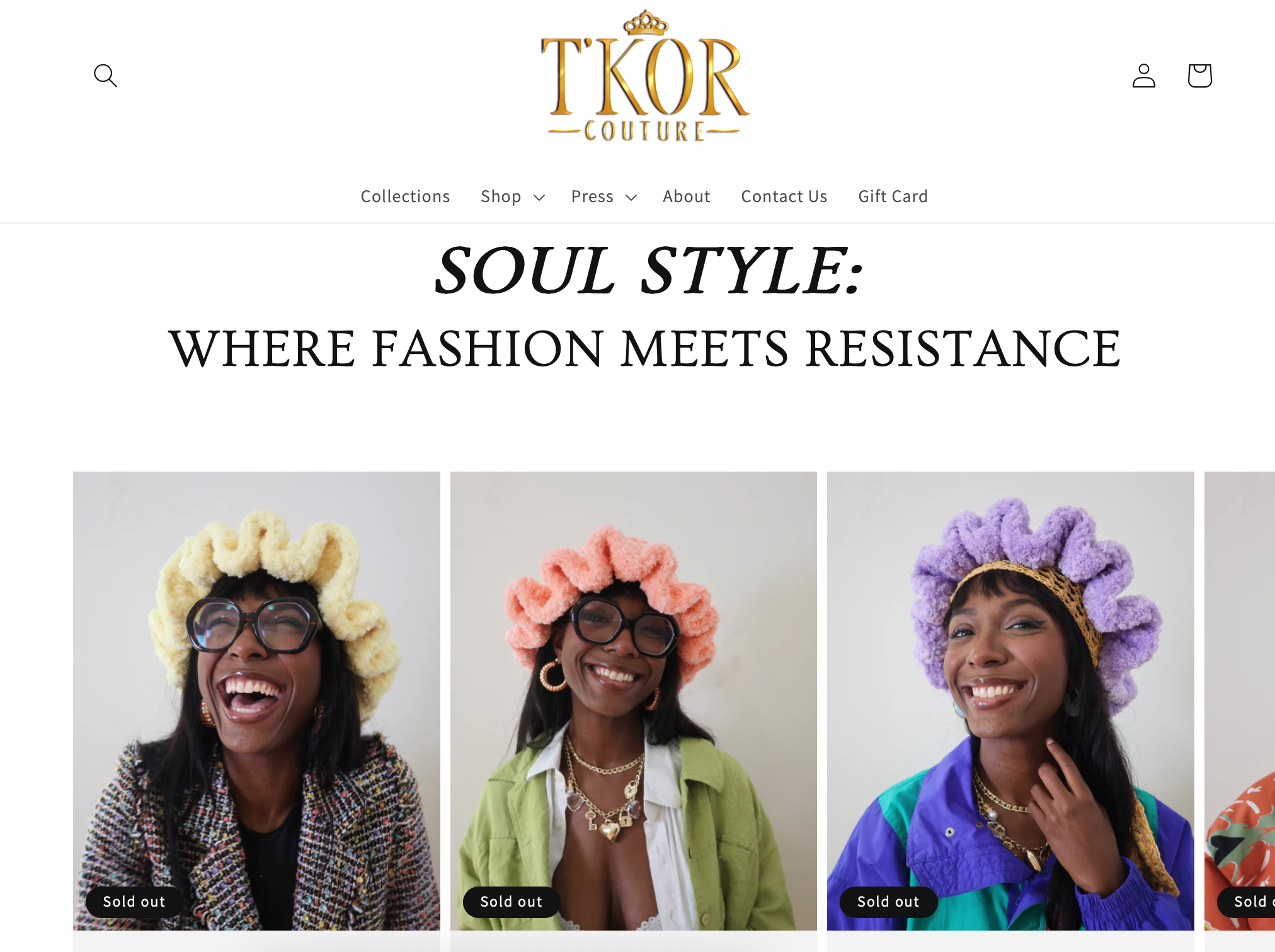
Brand Storytelling: Competitors like T’kor Couture use strong narratives to celebrate culture and craft, creating emotional connections. Milk & Honey Crochets had minimal storytelling.
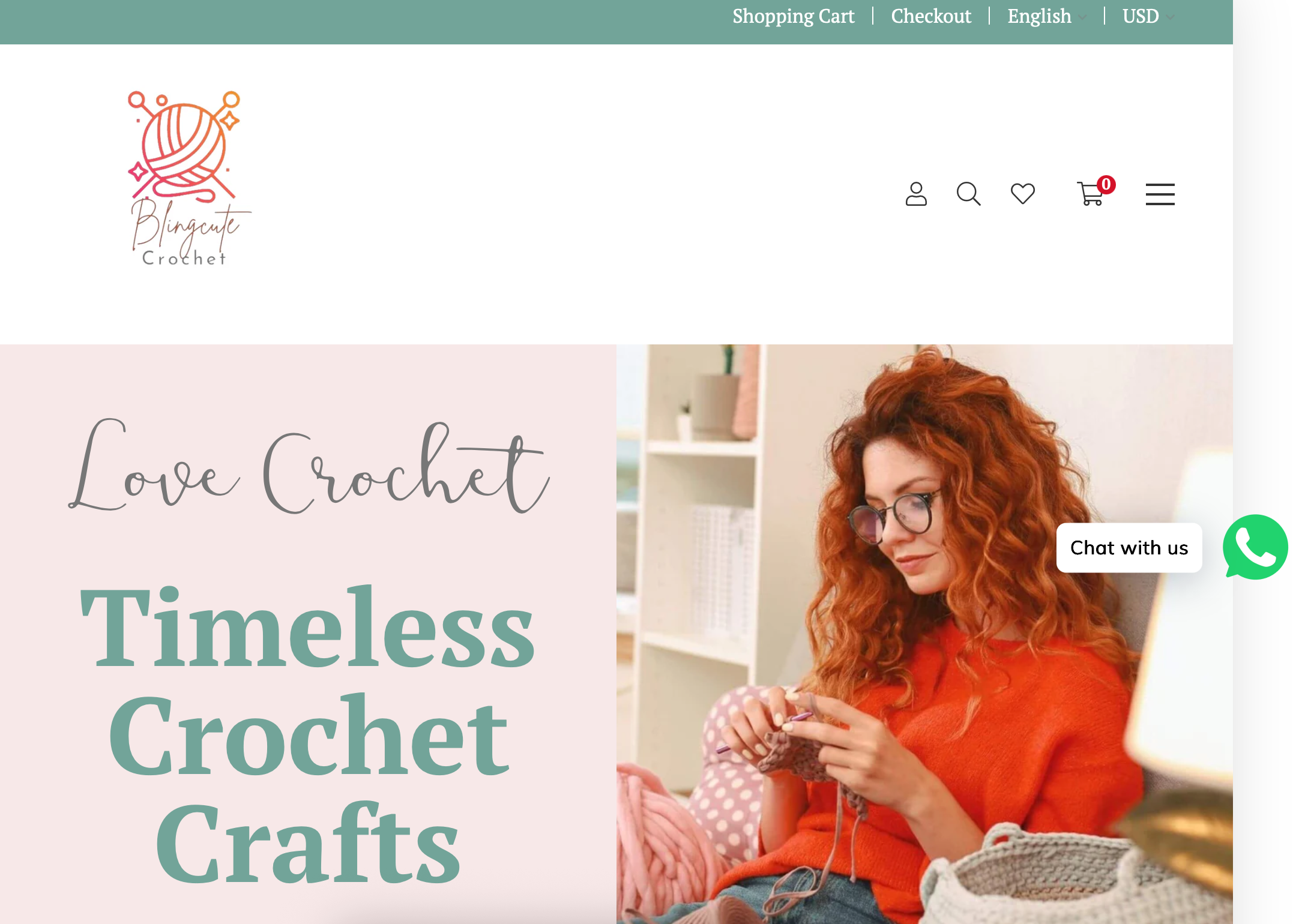
Product Personalization & Handmade Emphasis: Blingcute offers personalized products, while Woolster emphasizes made-to-order uniqueness. Highlighting these aspects can appeal to conscious, faith-based consumers.
Visual Quality & Product Exclusivity: High-quality photography and limited edition releases create a sense of craftsmanship and urgency, as seen with T’kor Couture.
Recommendations:
Develop a compelling brand narrative that reflects faith-based values and artistry.
Offer customization options to engage customers and highlight the handmade nature of products.
Invest in high-quality visuals to showcase craftsmanship.
Consider limited edition items to create exclusivity and encourage repeat visits.
Jobs To Be Done (JTBD)
To ensure the Milk & Honey Crochets website met the real needs of its users, I applied the Jobs To Be Done (JTBD) framework to focus on motivations, goals, and expected outcomes. By centering on these JTBD, the redesign was guided to address key user pain points while highlighting the brand’s faith-based values and craftsmanship.
When browsing handmade crochet products, I want to understand the story and craftsmanship behind each item, so I feel emotionally connected and confident in my purchase.
When exploring and purchasing products, I want a clear, intuitive experience with detailed photos and descriptions, so I can find what I need and know exactly what I’m buying.
When interacting with the brand, I want to feel its personality and authenticity, so I trust the business and feel good supporting it.
Ideation
Problem Statements (HMWs)
Synthesizing insights from research and JTBD, I created three high-priority How Might We statements to guide the website redesign. These HMWs focus on the most significant challenges users face and highlight opportunities to strengthen emotional connection, usability, and trust.
How might we communicate the faith-based brand story so users immediately understand the values, mission, and craftsmanship behind Milk & Honey Crochets?
How might we make product discovery and purchasing intuitive, helping users find items that fit their needs and see detailed photos and descriptions?
How might we increase user trust and confidence in the online experience while showcasing the brand’s personality and authenticity?
Ideation
When ideating, I brainstormed solutions to the HMW statements using the Crazy 8 method. This approach allowed me to quickly generate a wide range of potential solutions without the pressure of designing the “perfect” one. The HMW statements guided my ideas to ensure they addressed key user challenges and stayed aligned with the project goals. By thinking freely and rapidly, I avoided overthinking and allowed diverse concepts to emerge. Some initial ideas included a dedicated brand story page, product filters by occasion or purpose, artisan profiles, detailed product previews, and trust-building elements like customer reviews and behind-the-scenes content.
HMW 1: Communicate the faith-based brand story
Create a dedicated “Our Story” landing page with images of artisans and faith-based inspiration.
Feature short video clips of the founder sharing the brand mission.
Add story blurbs for each product explaining its significance and craftsmanship.
Use iconography and color schemes that reflect faith-based values subtly across the site.
Include customer testimonials highlighting how the brand resonates with their faith.
Integrate a timeline showing the brand journey and key milestones.
Highlight artisan profiles and their personal stories.
Add inspirational quotes or scripture that tie into the brand’s values without overpowering design.
HMW 2: Make product discovery and purchasing intuitive
Introduce a clear, filterable product catalog (by gift, personal use, faith-based).
Add a “shop by occasion” or “shop by purpose” navigation.
Feature product bundles and curated collections on the homepage.
Include a “quick view” option for product details without leaving the main catalog.
Implement a prominent search bar with predictive suggestions.
Use clear call-to-action buttons like “Add to Cart” and “Buy Again.”
Add product categories with visual thumbnails for faster browsing.
Include hover-over product previews showing multiple angles or close-ups.
HMW 3: Increase user trust and confidence
Show detailed product photography highlighting handmade details.
Include customer reviews and ratings for each item.
Add a “Trust & Quality” badge emphasizing handmade craftsmanship.
Offer a satisfaction guarantee or clear return policy.
Include a FAQ section addressing common concerns about online handmade purchases.
Display social media links with active community engagement.
Highlight awards, features, or collaborations to signal credibility.
Integrate behind-the-scenes content showing the creation process.
Site Map
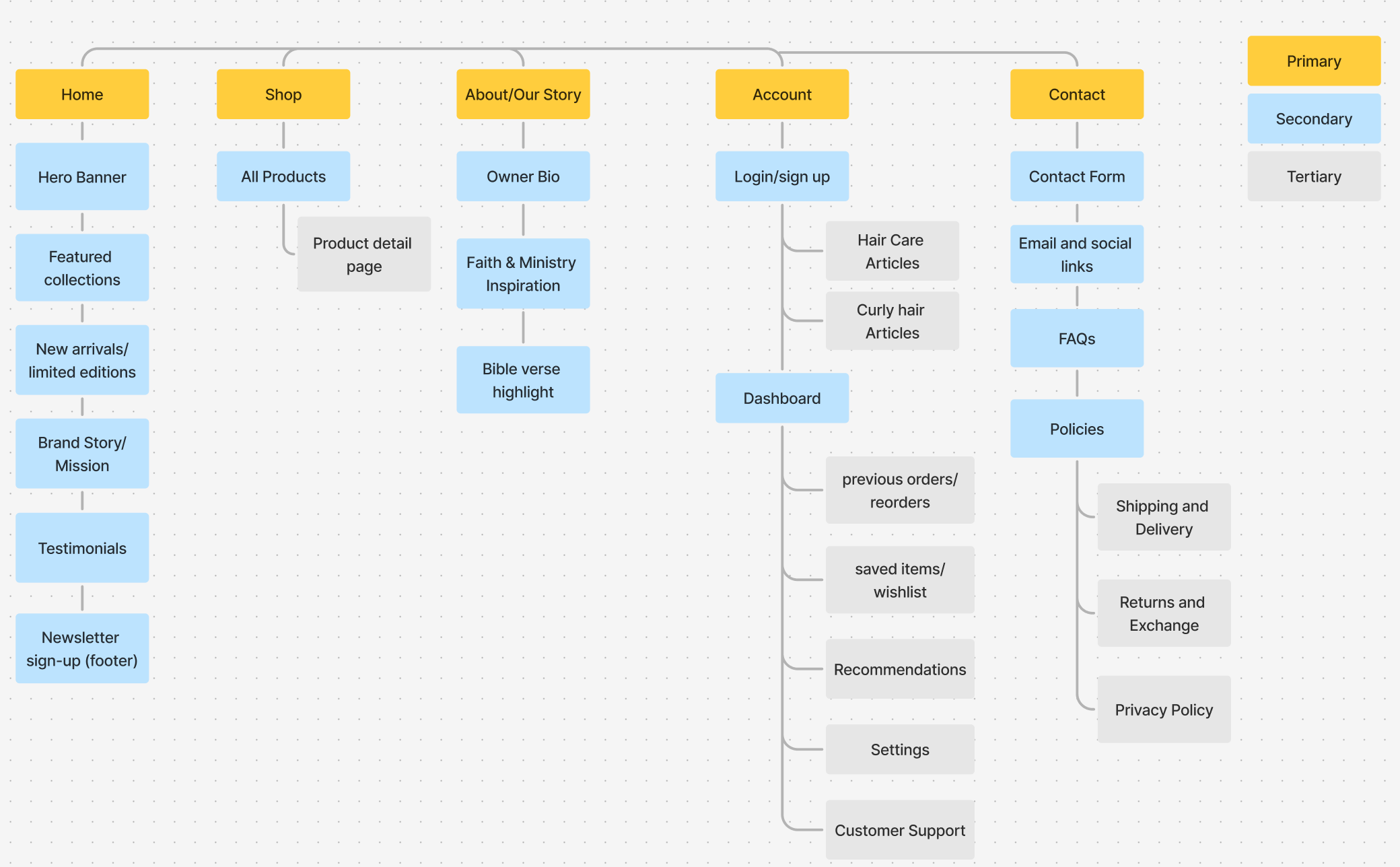
Creating the site map was an important step in organizing the structure and content of the website. This provided a clear, bird’s-eye view of how different sections and features connected, ensuring the website’s information architecture would be intuitive for users. By visually mapping out the website, I was able to identify logical groupings and prioritize features, laying the foundation for a seamless experience. The site map also became a key reference point as I moved into wire framing and design for the landing page, helping to maintain consistency and clarity throughout the design process.
Design
I began the design phase by developing low-fidelity wireframes to establish the core layout, content hierarchy, and user flow of the landing page. This allowed me to focus on structure and usability before introducing visual details. From there, I refined the mood board and style guide to create a cohesive look that shows the brand’s faith-driven, handcrafted identity. These foundations informed the high-fidelity designs.
Low-Fidelity Wireframes
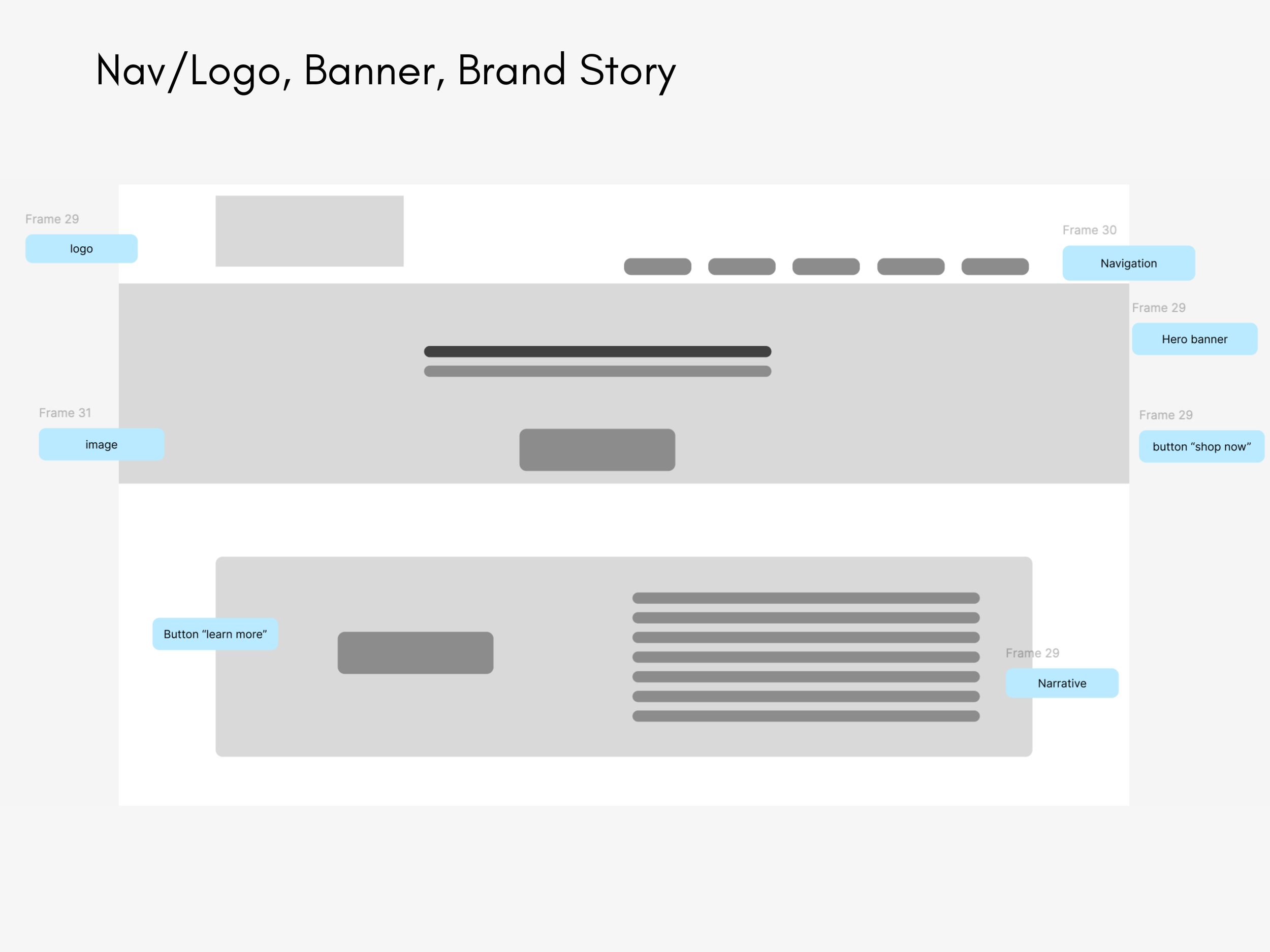
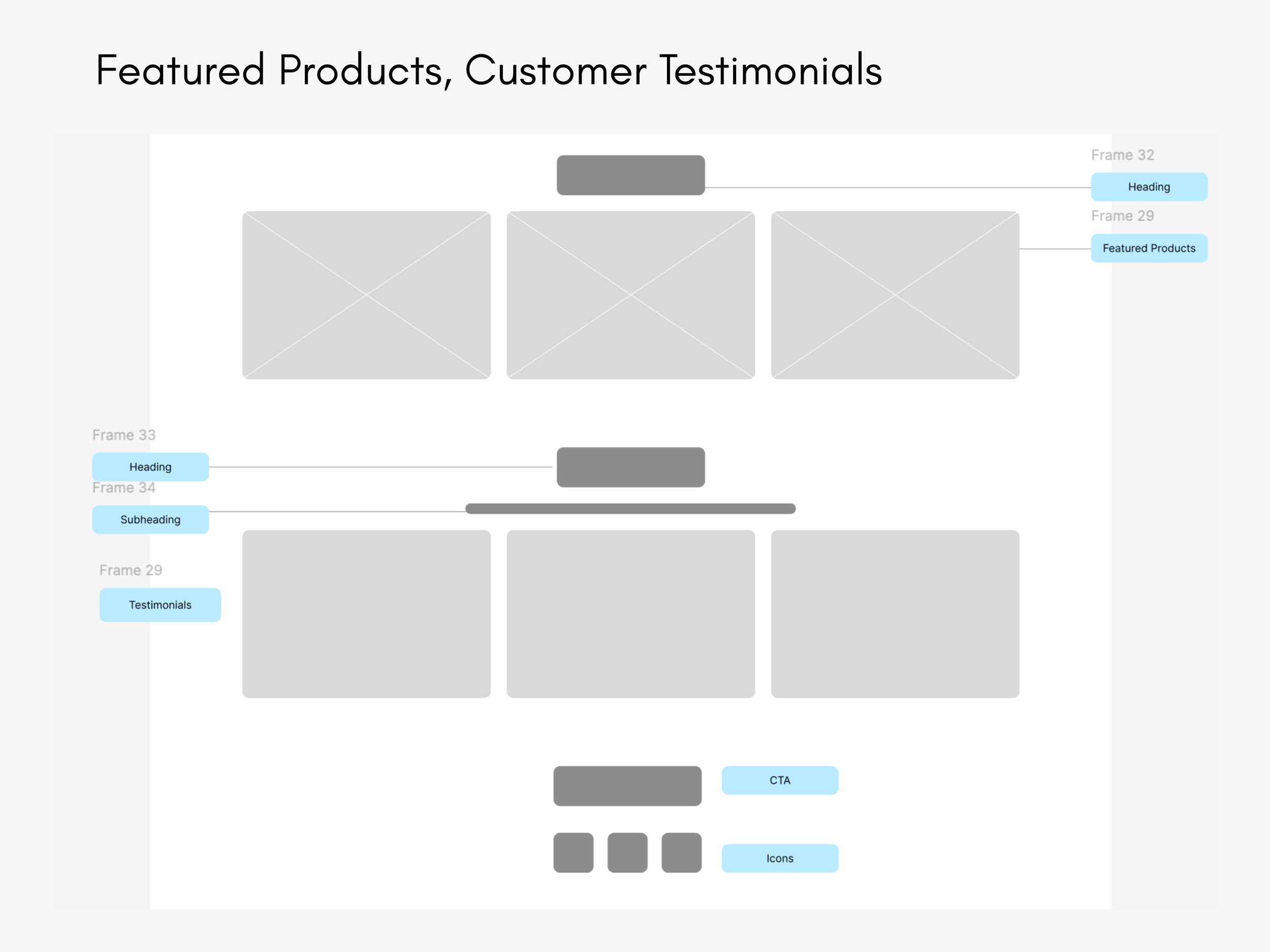
I created low-fidelity wireframes to establish the core structure, flow, and hierarchy of the landing page. This stage focused on layout clarity and usability, ensuring that key content (such a brand story, featured products, and testimonials) felt intuitive and easy to navigate.
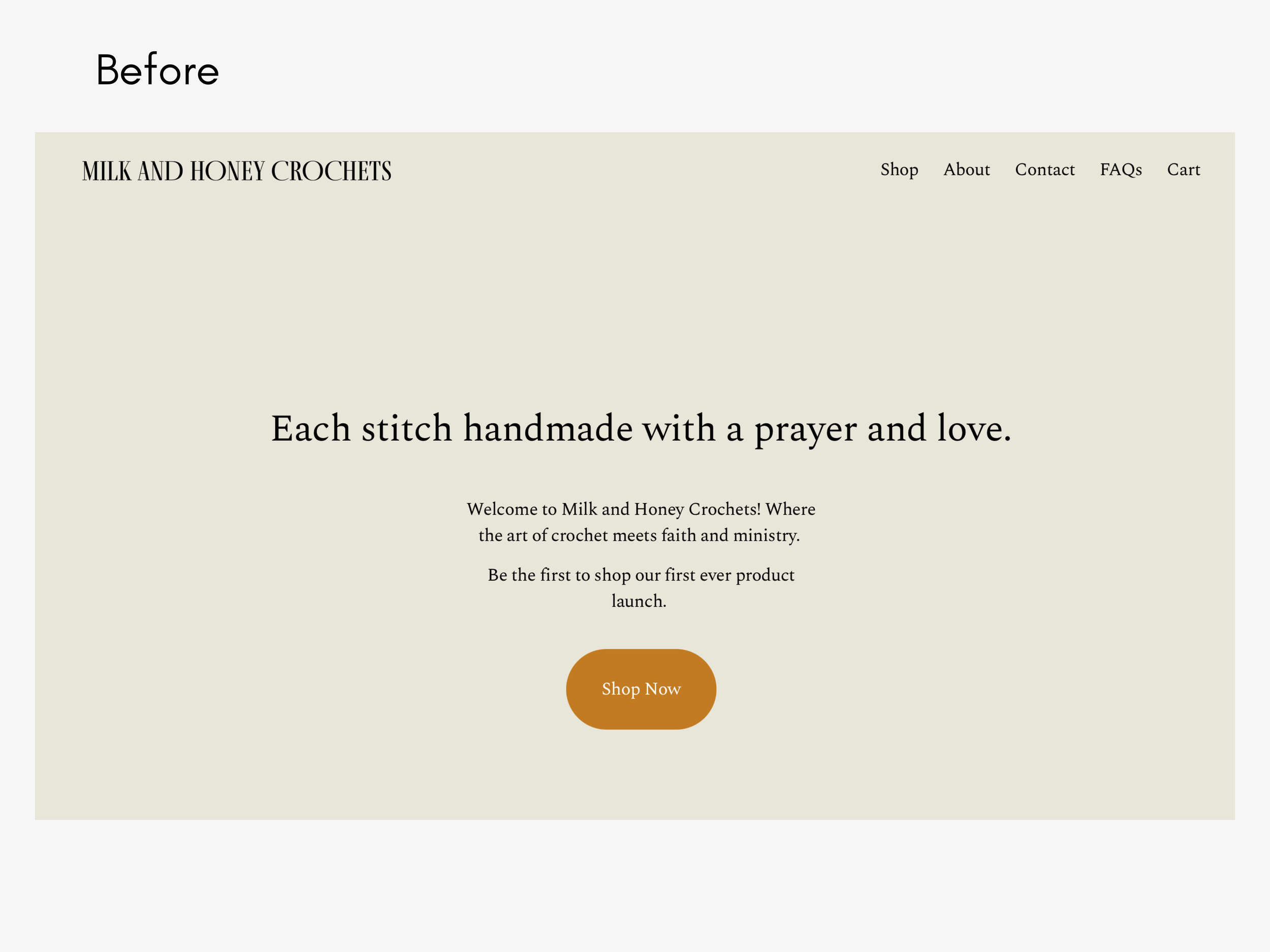
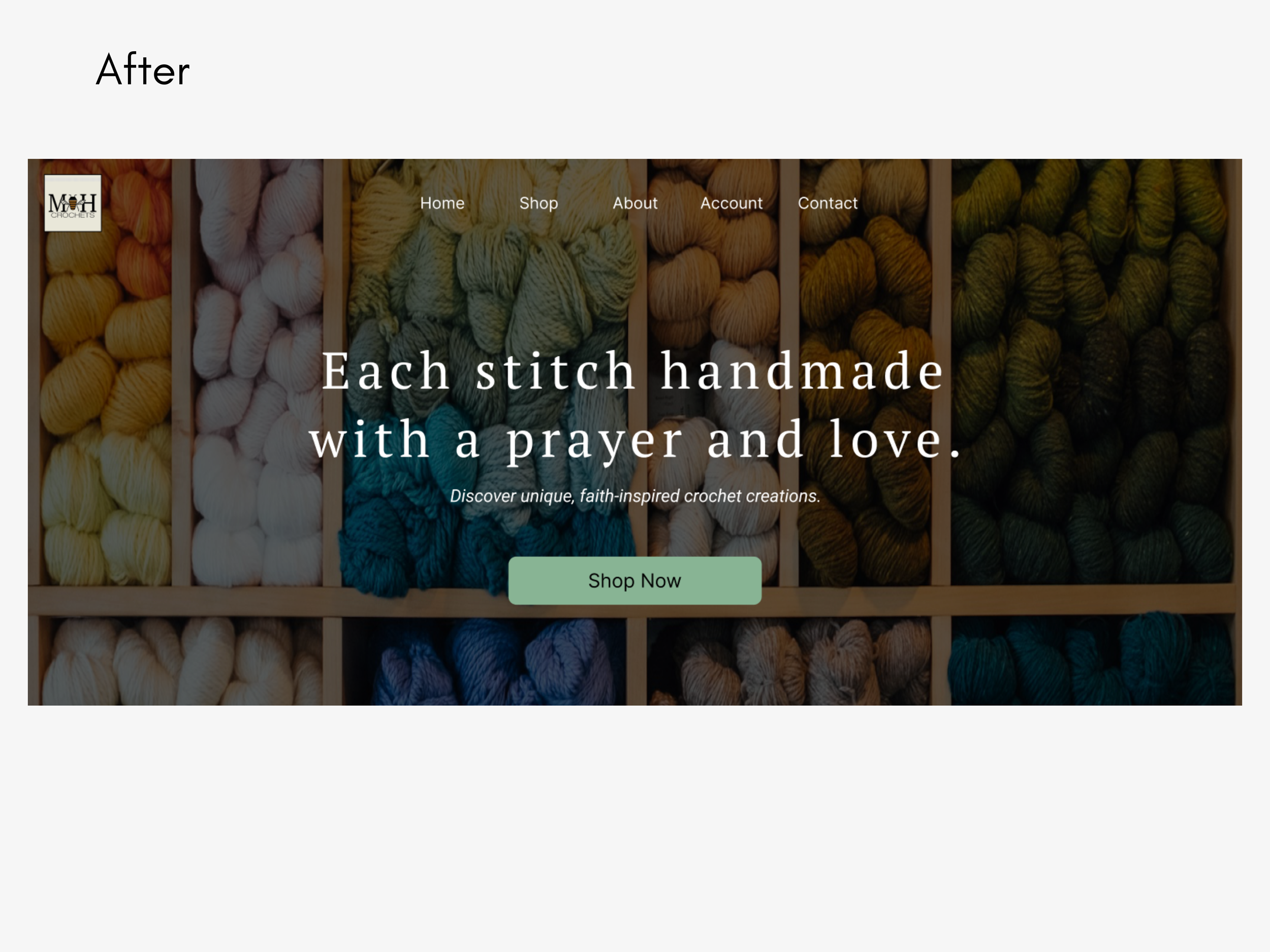
Hero Section: Visual Impact + Clear Value Proposition
Before:
The original hero was visually empty and didn’t give users a clear sense of what the brand offers or where to begin.
After:
Added a lifestyle crochet image to set context immediately.
Strengthened the headline with clearer hierarchy and readability.
Improved CTA visibility to guide users toward shopping.
Cleaned up the navigation for easier scanning.
Impact:
The hero now communicates the brand within seconds and gives users a clear starting point, improving engagement and first impressions.
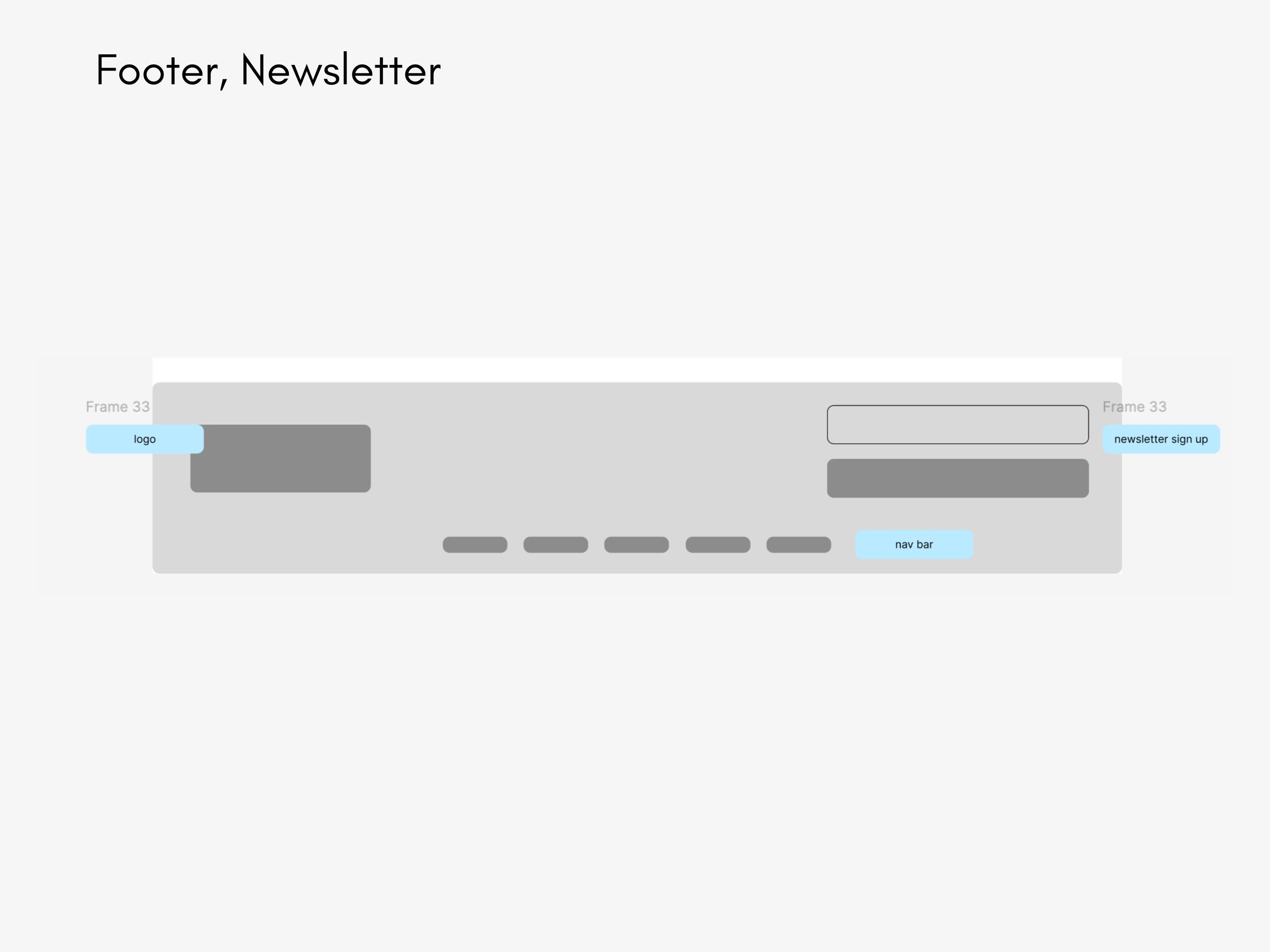
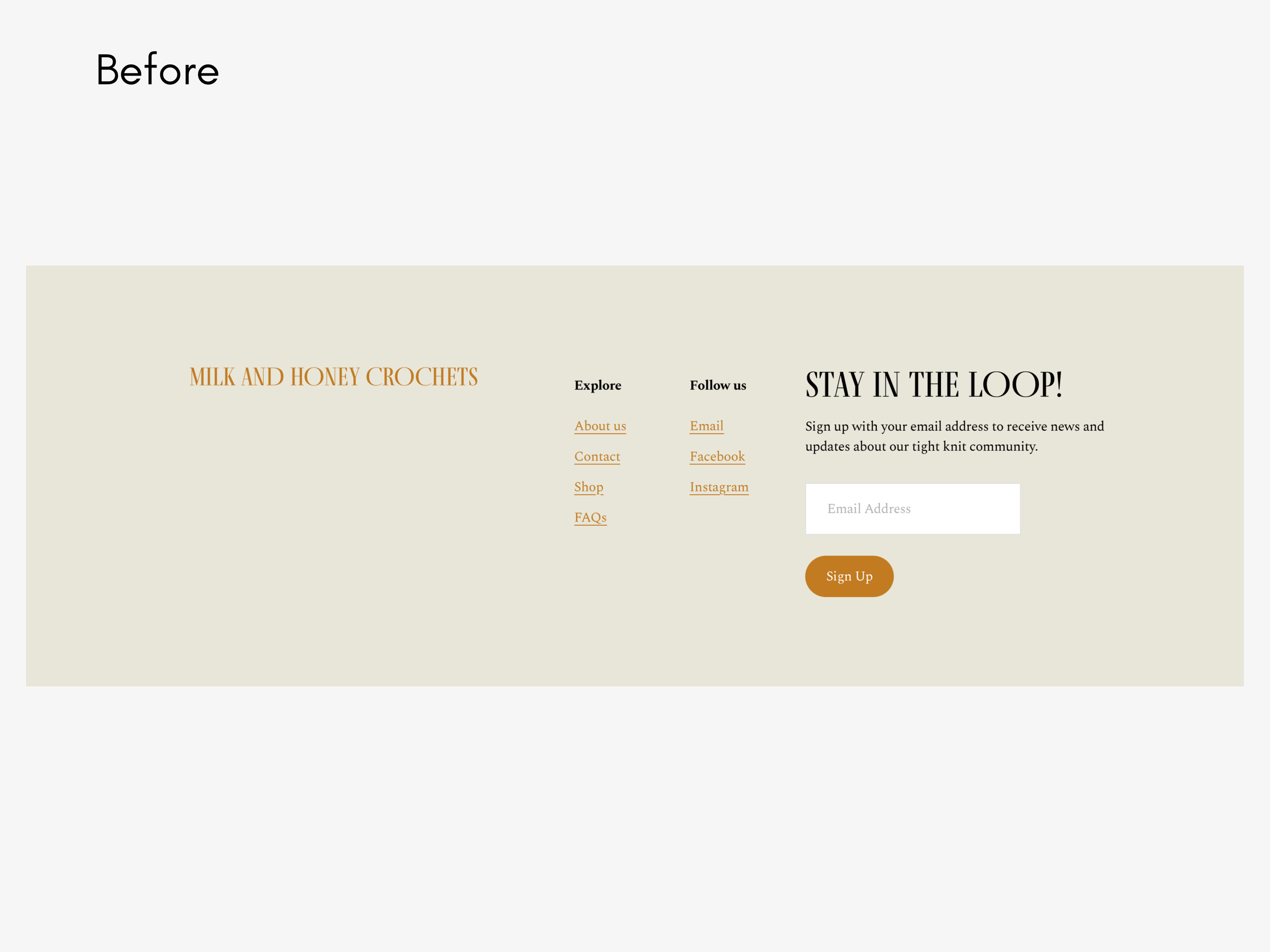
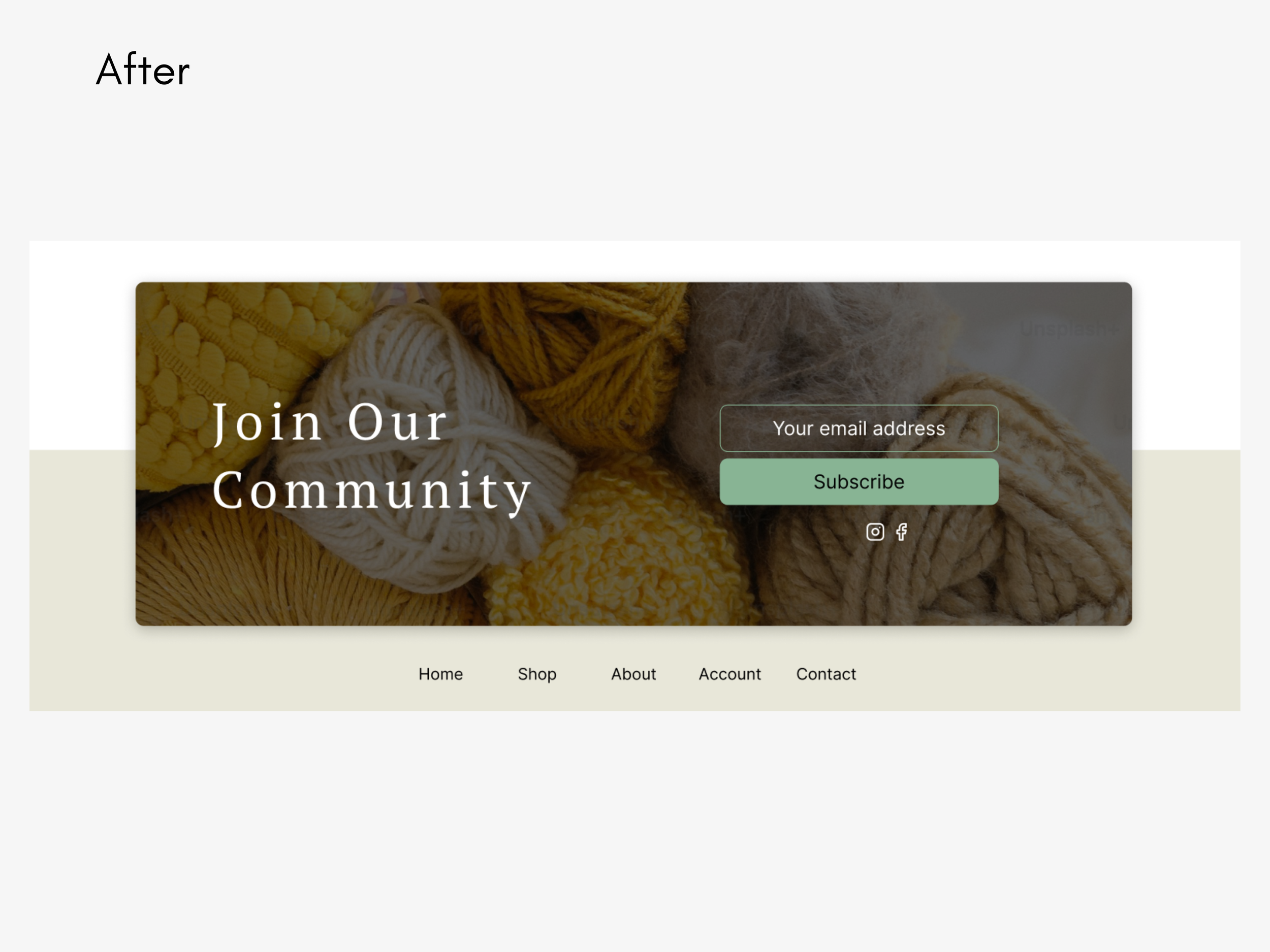
Newsletter & Footer Section: Clearer Conversion Opportunity & Clean Structure
Before:
The old newsletter area lacked visual emphasis and blended into the footer, making it easy to miss. The footer was text-heavy with inconsistent spacing, making the navigation feel cluttered.
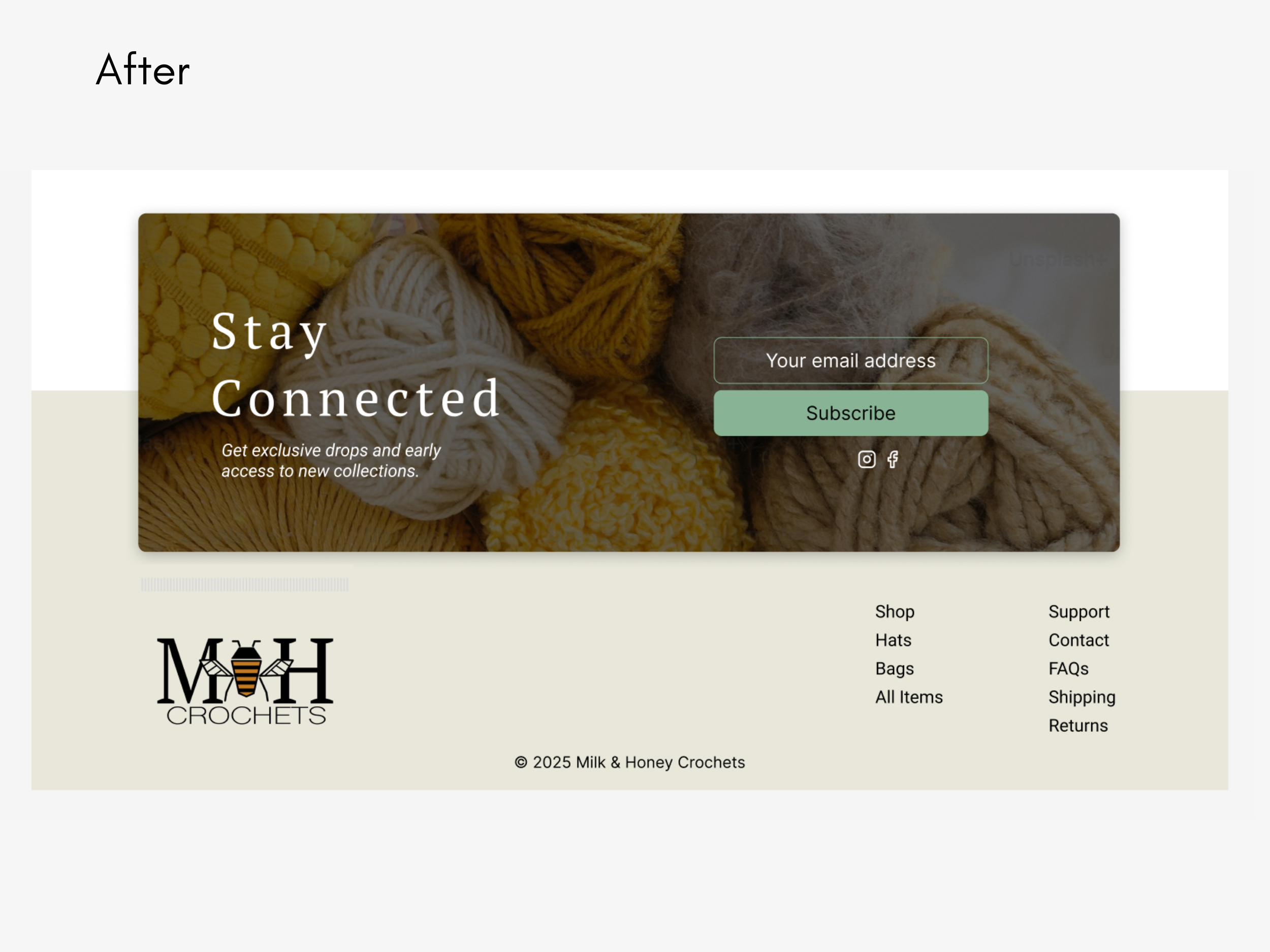
After:
Created a dedicated subscription block with a clear headline that does not blend too much into the footer.
Added a high-contrast input field and CTA button.
Used warm imagery to keep the design inviting and consistent.
Reorganized the footer into a simpler, more scannable layout.
Cleaned up typography and alignment for a more polished look.
Impact:
The new design improves visibility and encourages users to join the community, supporting long-term engagement.
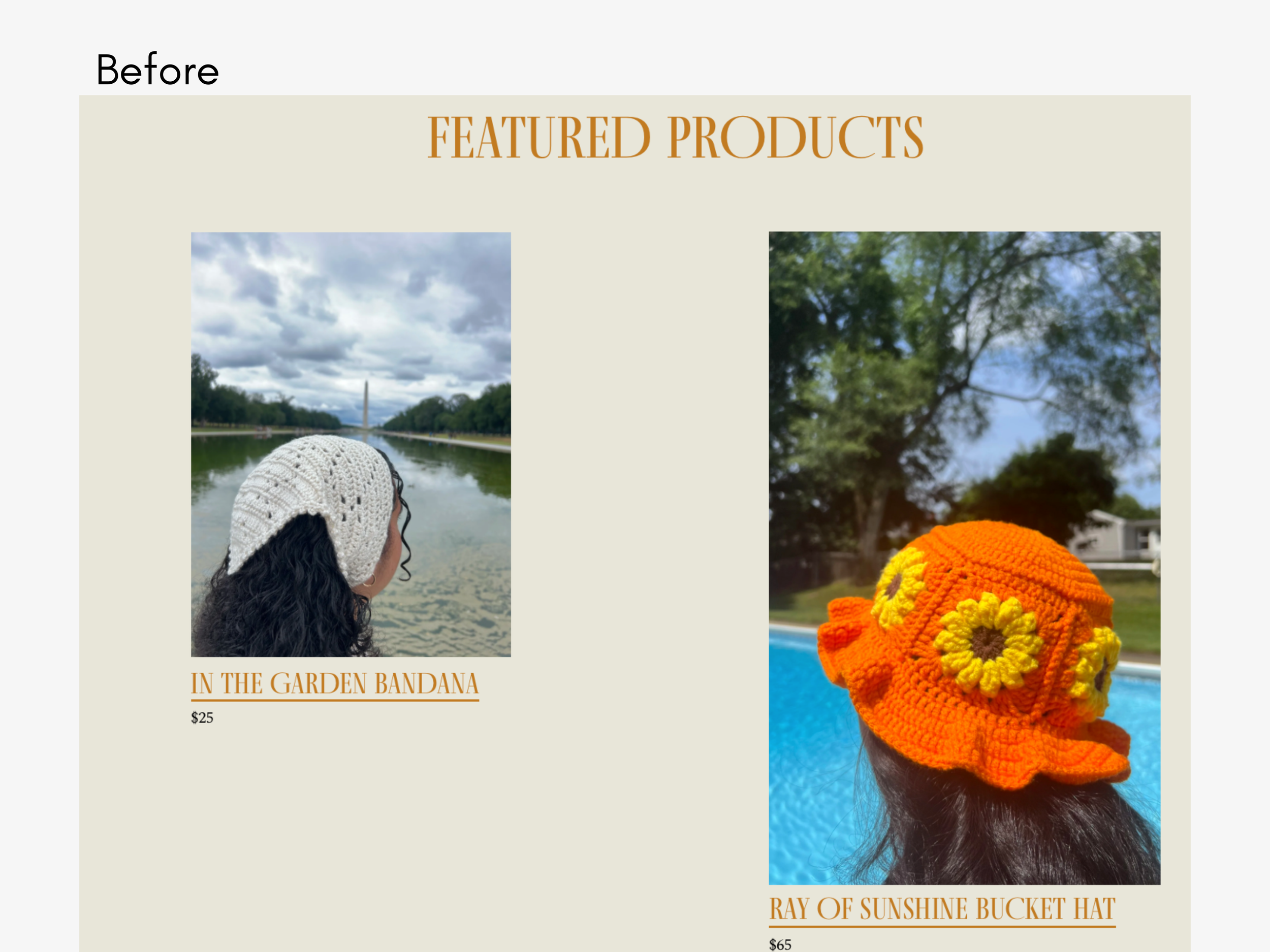
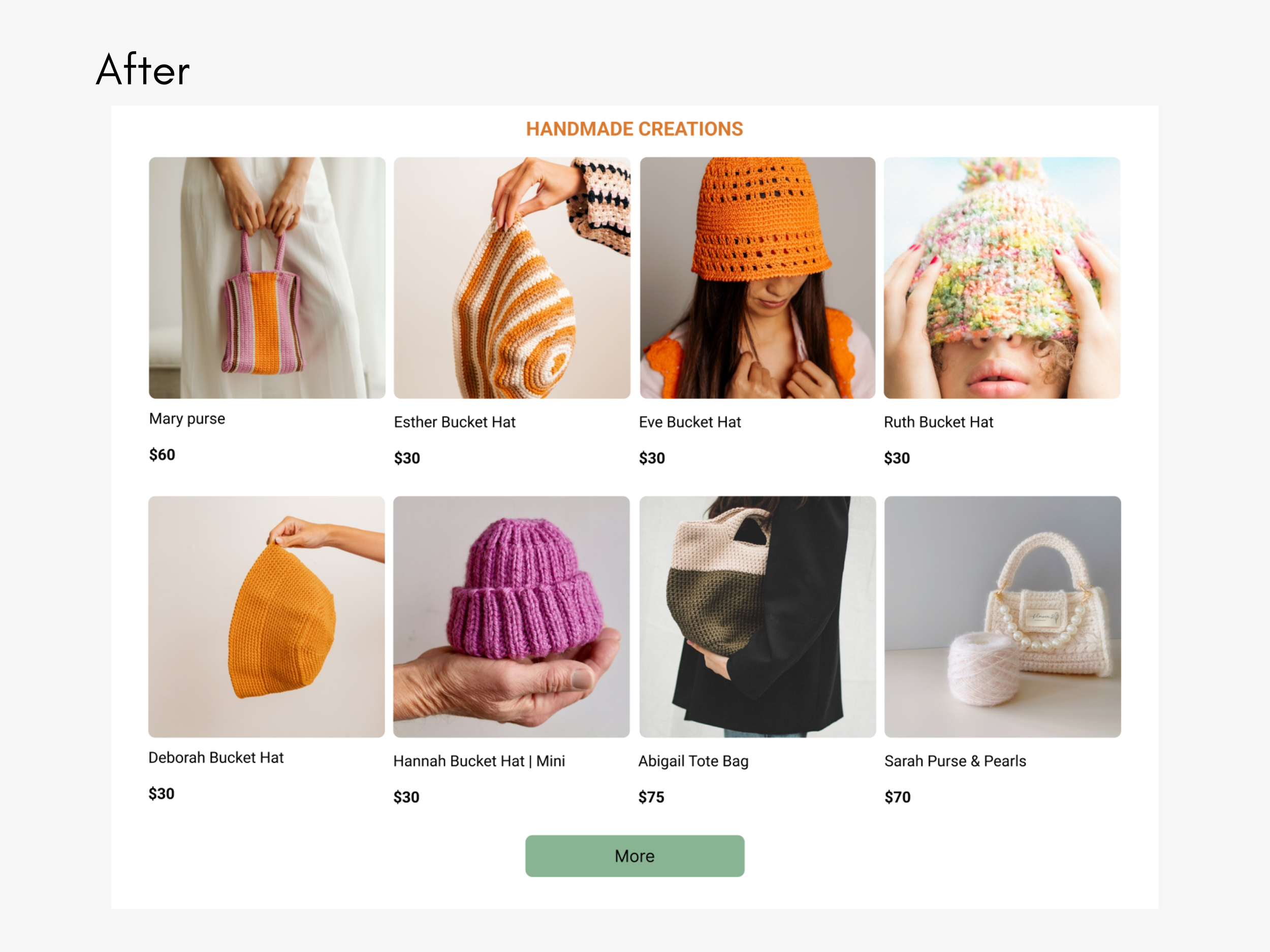
Featured Products section: Clean layout mirroring industry standards
Before:
Product images were inconsistent in size and spacing, making the layout feel unstructured and harder to scan.
After:
Implemented a clean, consistent grid aligned to modern e-commerce standards.
Standardized image ratios and spacing for visual balance.
Improved product name and price hierarchy for quick scanning.
Added a “More” button to support progressive browsing.
Impact:
The structure feels more professional, making it easier for users to browse products and increasing the likelihood of product interaction.
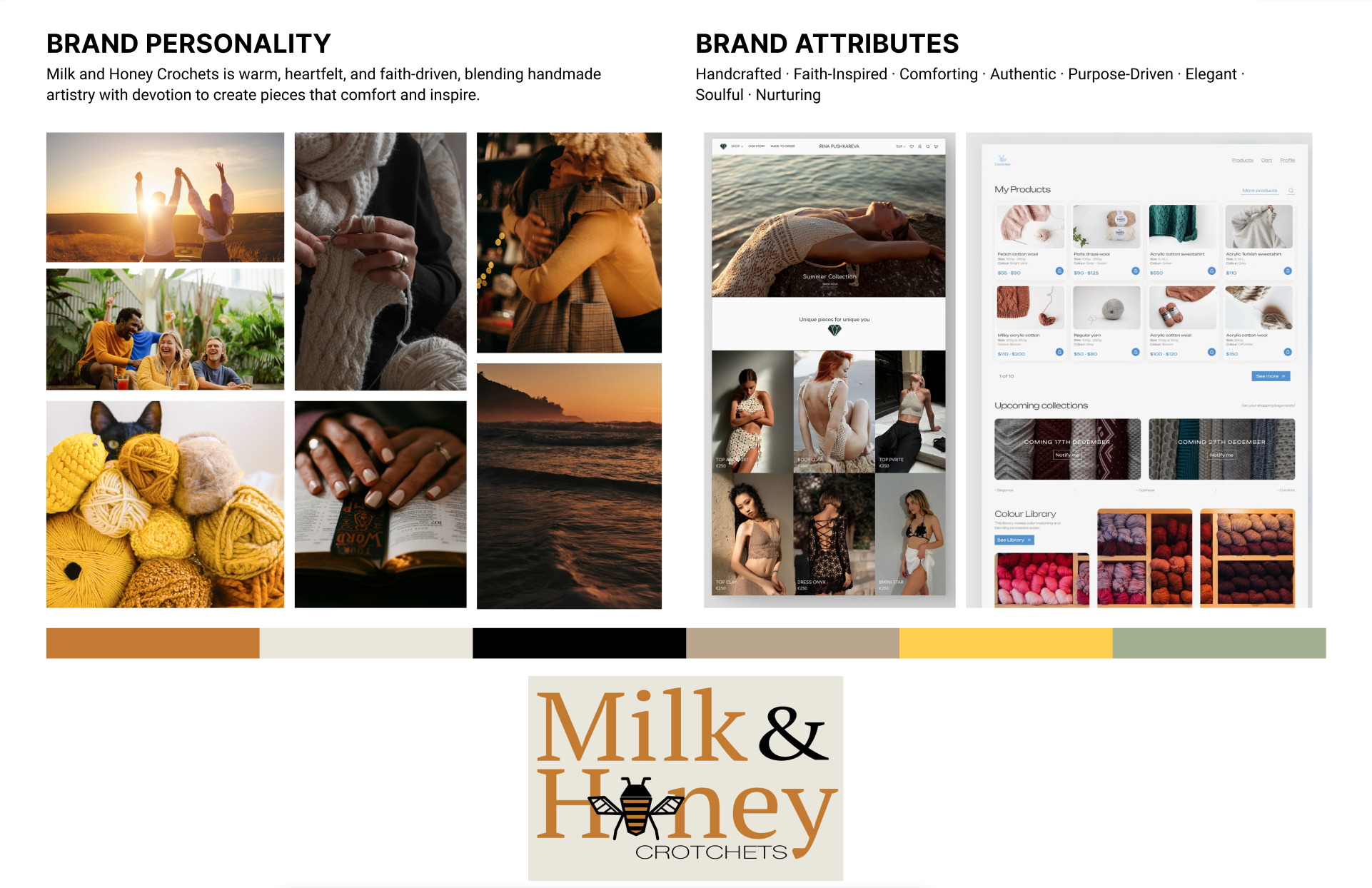
Mood board and Style Guide
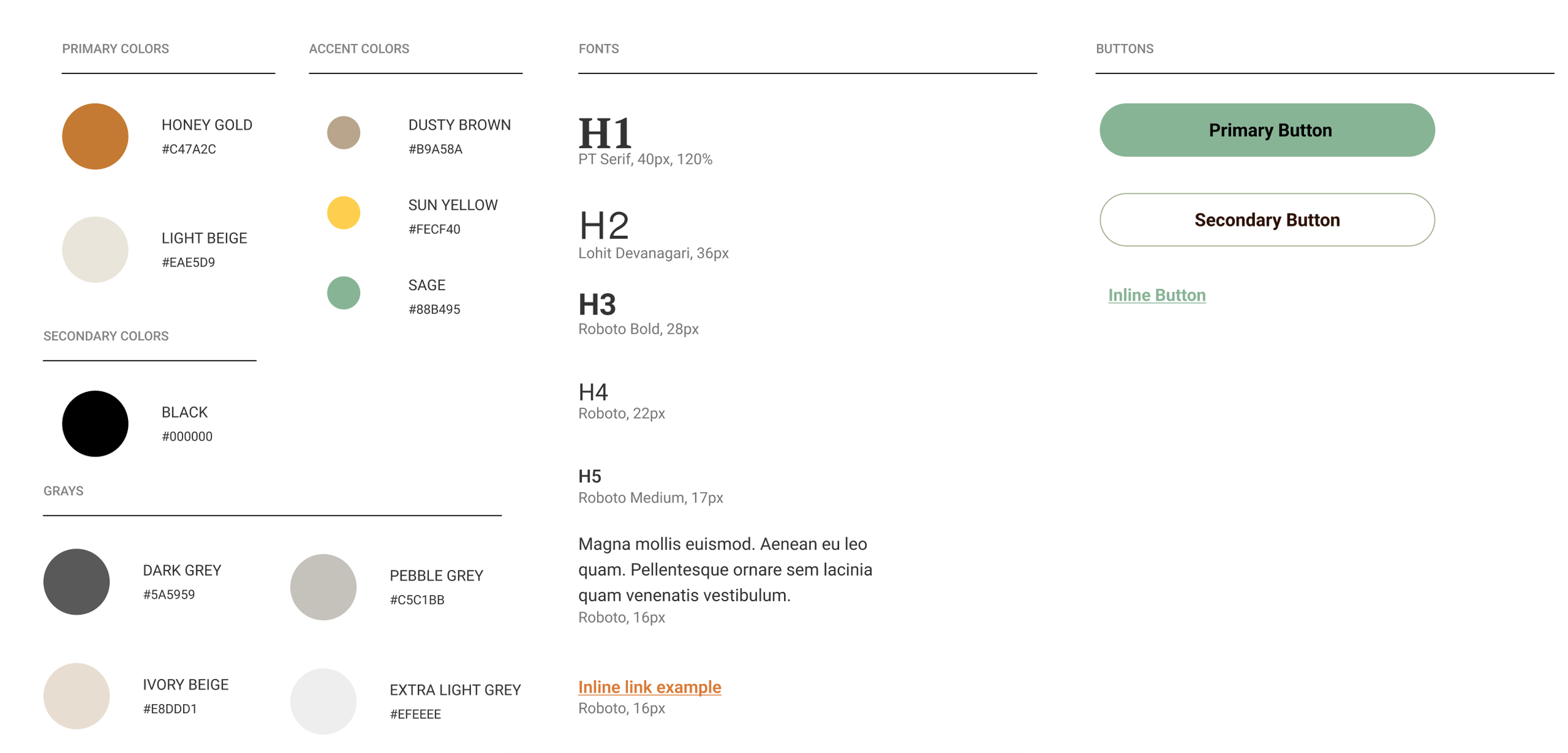
I created the mood board to define the emotional tone of the brand (warm, faith-centered, handmade, and heartfelt). With that as a foundation, I created a style guide that translates those themes into intentional visual decisions. The color palette includes neutrals and brown hues to reflect the natural, handcrafted quality of crochet; the gold tone is inspired by the biblical idea of “milk and honey.” For typography, I chose clean, modern fonts that feel professional, sleek, and easy to read. Together, these elements create a visual identity that feels authentic to Milk & Honey Crochets and inviting for the users.
High Fidelity Designs
Moving into high-fidelity, I applied the established visual system with a focus on clarity, emotion, and storytelling. My design decisions were driven by both aesthetics and usability. For example, I used soft backgrounds to draw attention to product photography, and placed the brand story higher on the page to strengthen user connection. Each section was refined to support scannability, highlight craftsmanship, and reinforce the faith-driven narrative that differentiates the brand.
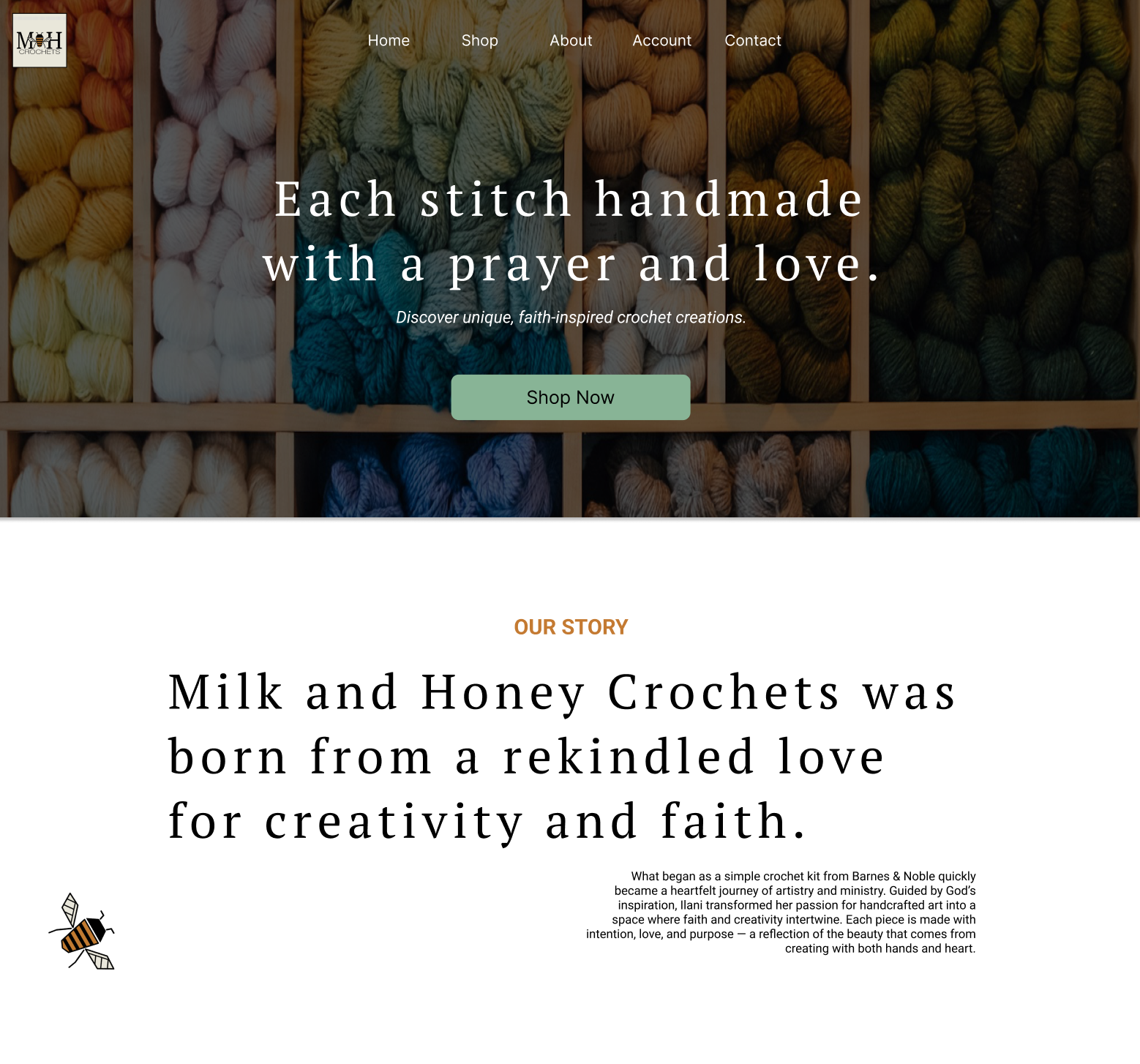
Brand Story Section: Meaningful Storytelling
Before:
There was no brand story, leaving users without emotional context or understanding of the mission behind the products.
After:
Added a short, dedicated “Our Story” section near the top of the page.
Used strong headings and readable typography for clear hierarchy.
Included concise, meaningful copy that highlights faith and craftsmanship.
Added supportive spacing and a small brand illustration for warmth.
Impact:
Users form a quicker emotional connection, increasing trust and engagement—especially important for brands.
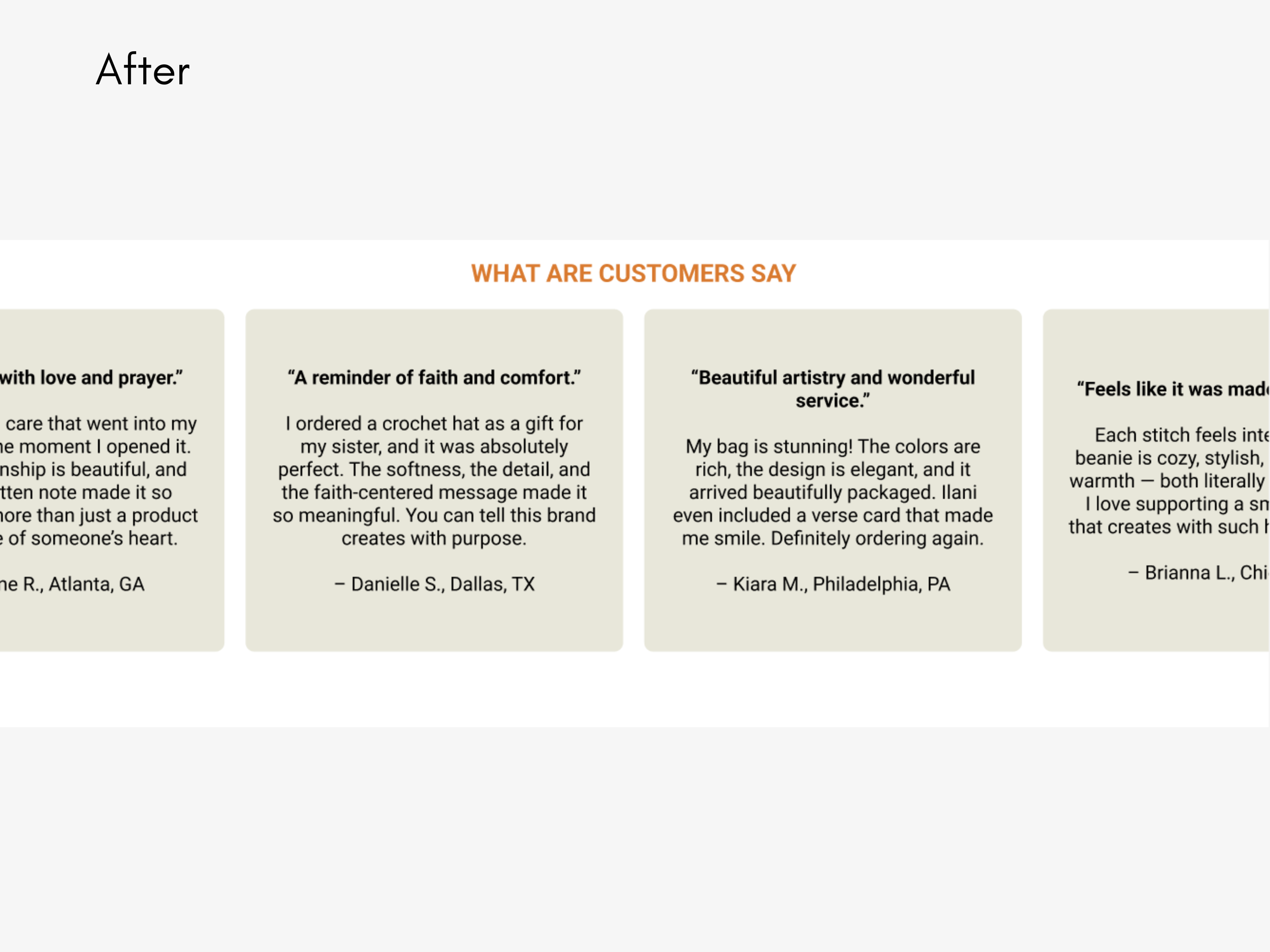
Testimonial Section: Social-Proof
Before:
There were no testimonials on the original site, which meant users had no social proof to relate to.
After:
Added a dedicated testimonial section to highlight real customer experiences.
Designed simple, readable cards with names and locations.
Used spacing to keep the section clean and easy to skim.
Impact:
Showcasing social proof increases trust and confidence.
Redesign
Client Feedback
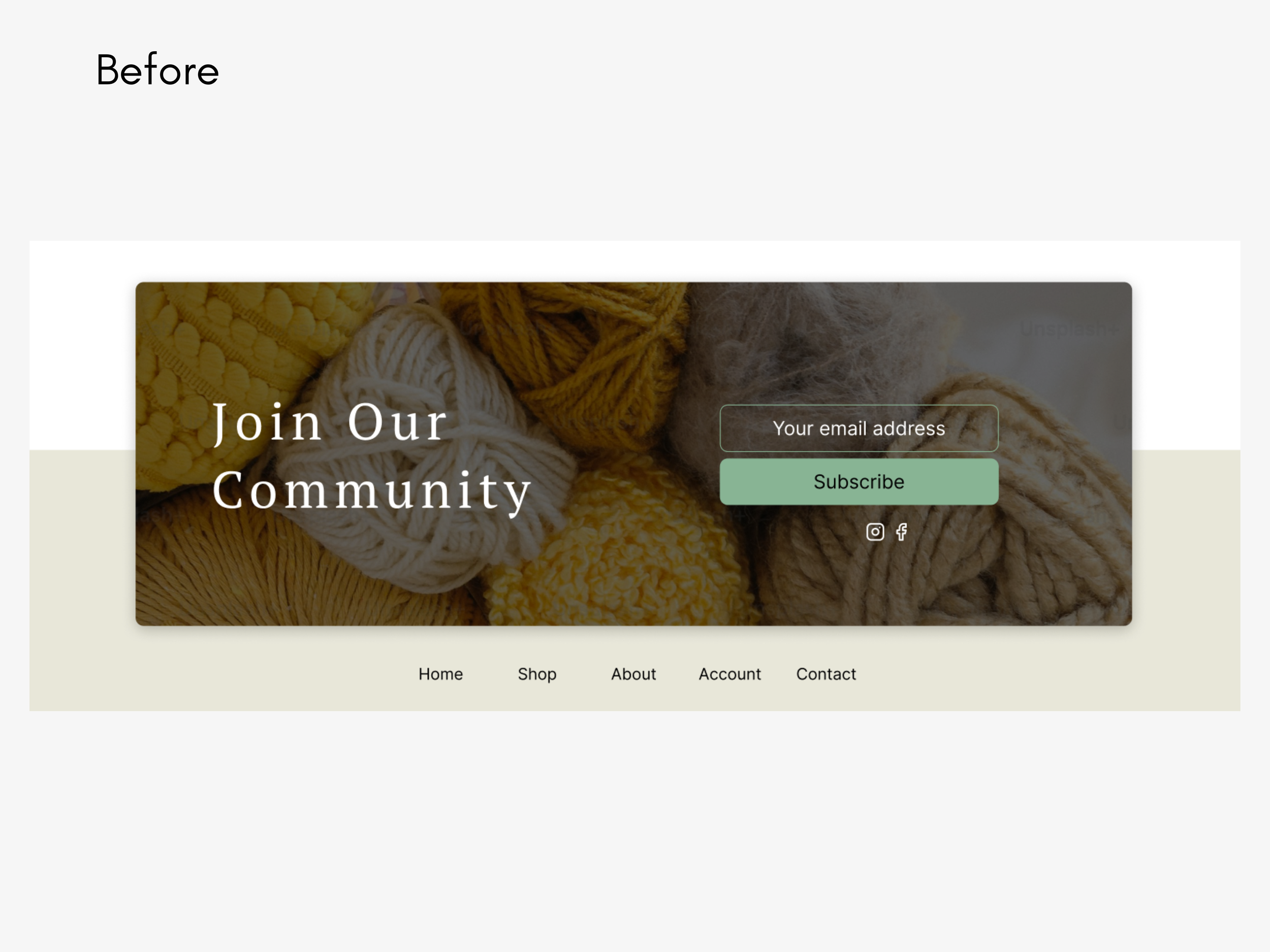
The client expressed that the newsletter area felt visually understated and didn’t clearly communicate why users should subscribe. They wanted the section to feel more inviting and offer a clearer incentive for signing up. Additionally, the client felt the footer was incomplete. They wanted the food to have meaningful value or help users find additional information beyond what was already available in the header.
Post-Feedback Changes
Newsletter
Added a short value proposition explaining what subscribers receive.
Updated heading and layout spacing to make the section feel warmer and more intentional.
Footer
Rebuilt the footer to serve as a supplemental navigation area, including essential links such as policies, FAQs, contact, and social media.
Structured the footer into clear link groups to improve organization and scannability.
Prototype
created an interactive prototype to bring the redesigned landing page to life and demonstrate the intended user flow. This clickable experience allows viewers to explore the updated hierarchy, interactions, and visual system in context, showcasing how the final design improves clarity, usability, and brand storytelling across the page.
Reflection
Lessons Learned
Working on the Milk & Honey Crochets redesign was a meaningful project that pushed me to think more deeply about how design can communicate emotion, purpose, and personality. Without a full team or direct access to primary users, I had to rely on secondary research, competitor analysis, and my own UX/UI intuition to identify opportunities for clarity, storytelling, and usability. This process reminded me how essential it is to ground design decisions not just in visuals, but in the real needs and expectations of users navigating an e-commerce website.
One of my favorite parts of the project was refining the landing page structure. Emphasizing the brand story and designing a cleaner, more modern featured products section felt particularly impactful. Finding the balance between warmth, professionalism, and faith-centered storytelling challenged me (in the best way) and helped me grow as a designer.
Overall, this project reinforced how important thoughtful UX/UI design is in elevating a brand’s identity and strengthening the connection between creator and customer. It was rewarding to redesign the site in a way that feels intentional, welcoming, and aligned with Ilani and Milk & Honey Crochets.